
Are you trying to get started with affiliate programs but stuck on one question?
“Do I build a website… or start on social media?”
Both work in the affiliate world. But they take you down very different paths.
Don’t overthink it. Just pick a path and follow it.
Option 1: Build a Niche Site
If you want something real that can grow over time, this is the route to take.
A website gives you a place to house your content, get traffic from Google, and recommend affiliate products in a way that makes sense.
It’s yours, and you’re not relying on social platforms or hoping posts get seen in someone else’s feed.
Step 1: Choose Your Niche
This is where you start.
Your niche is simply what you’re going to focus on and who you’re creating content for. It decides what you write about and which affiliate programs fit naturally.
Don’t try to get this perfect.
Just make sure people are already searching for it, and it’s something you have a real interest in.
Here’s how I’d approach it in real terms.
Take something like retro gaming.
On its own, it’s broad.
But you can quickly narrow it down into opportunities like restoring old consoles, collecting rare games, or creating content around retro gear and nostalgia-driven products.
Choose one and roll with it.
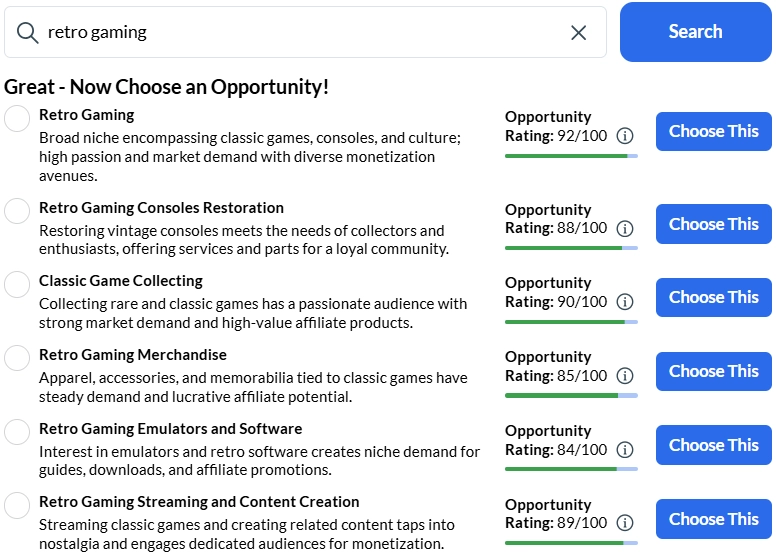
That’s what you’re aiming for.
A clear direction you can build content around and match with relevant affiliate programs… no game over screens.
Step 2: Build Your Website
This is where your idea turns into something people can actually land on.
Without a site, there’s nowhere for your content to live and nowhere for your affiliate links to sit properly.
It doesn’t need to look flashy.
You’re just putting down a base you can build on. Like creating your save file before you start the game.
You get a basic WordPress site live, pick a clean layout, and that’s enough to get moving.

Most affiliate beginners get stuck here trying to make everything look perfect before they’ve even written a single word.
Don’t be that person.
Get it live, then build on it as you go.
Step 3: Get Traffic to Your Site
Now you’ve got a site live, this is where people start to find it.
That mainly comes from Google.
You create blog posts around terms people are already searching for in your niche, and over time those articles can start showing up in the search results.
That’s how you get traffic without chasing people around on social media.
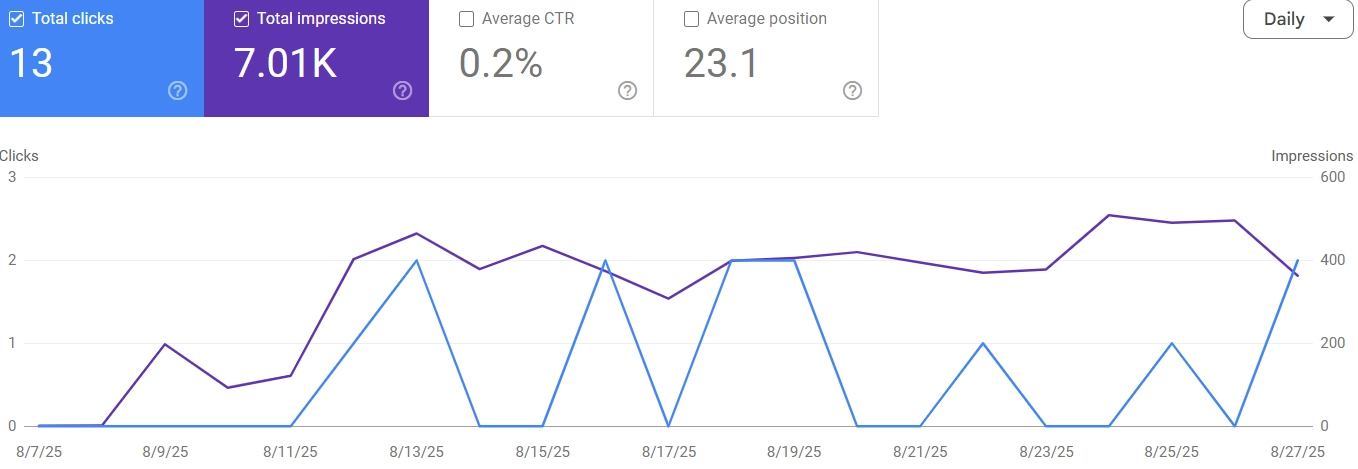
This is from a different website I started in 2025, where pages began getting impressions and clicks from Google once my content started growing.
At first, nothing happens.
Then a page gets seen.
A few clicks come in.
Then it starts to build momentum from there.
Step 4: Start Earning from Affiliate Programs
Now your traffic has somewhere to go, and this is where things can start to pay off.
You’re not creating products or handling customers. You’re adding relevant affiliate programs to your content and getting paid when someone clicks a link and takes action.
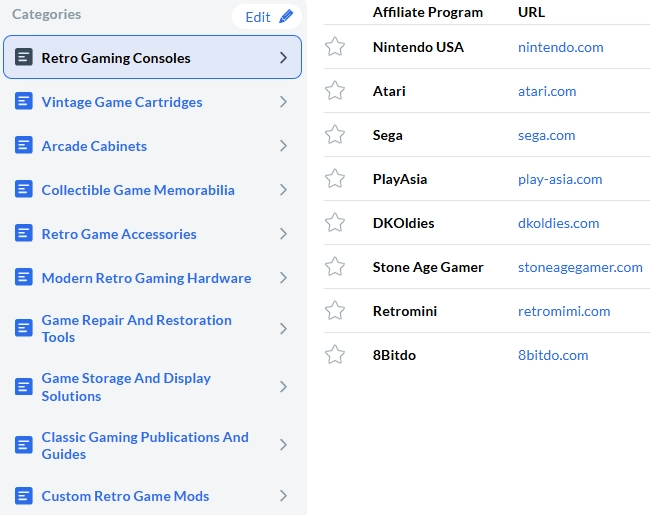
That might be a purchase, a sign-up, or trying out a service.
What matters is how well it fits.
If someone lands on your blog post looking for something specific and your recommendation lines up with that, the click feels natural.
That’s where your commissions come from.
Here’s some of my own recent earnings from a different niche:
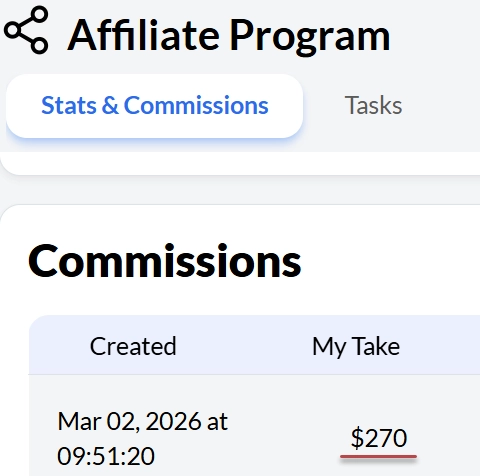
At first, it’s small. Then it builds as more people land on your posts and more content starts working for you.
You don’t need everything figured out to begin.
👉 Get your affiliate site live today. Start here
Some links on this page are affiliate links. If you sign up through them, I may earn a commission at no additional cost to you.
Option 2: Start Without a Website
If you don’t want to build a site yet, this is the quicker way to get moving.
You use social platforms to get attention and direct people to your affiliate links through a simple profile page.
It’s faster to start, but your content sits on those platforms instead of being on something you control.
Step 1: Pick Your Niche and Create a Brand
The same starting point.
You still need a clear niche so your content has direction and people know what you’re about.
If it’s all over the place, nothing will stick.
Once you’ve got that nailed, turn it into a simple brand.
That means:
- a name that fits your niche
- a basic logo or image you can use across your content
Nothing that’s complicated.
Just something that looks consistent so people start to recognise it.
Here’s a quick example I created:
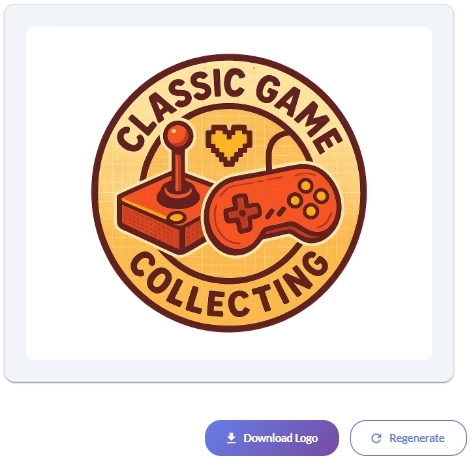
That’s enough to get you going.
You can always change the logo later if you’re not happy.
Step 2: Create Your Profile Page
Everything points to here.
Instead of a website, you use a single page that houses your links so when someone checks your profile, they’ve got somewhere to click. If you want to set one up, you can follow these Beacons sign-up steps.
That can be your affiliate links, your socials, and even your website if you have one.
Just keep it simple.
Only add links that match your niche and make sense for the content you’re creating.
Here’s the profile page I use for my own AfProgs content. You can also view it live here.
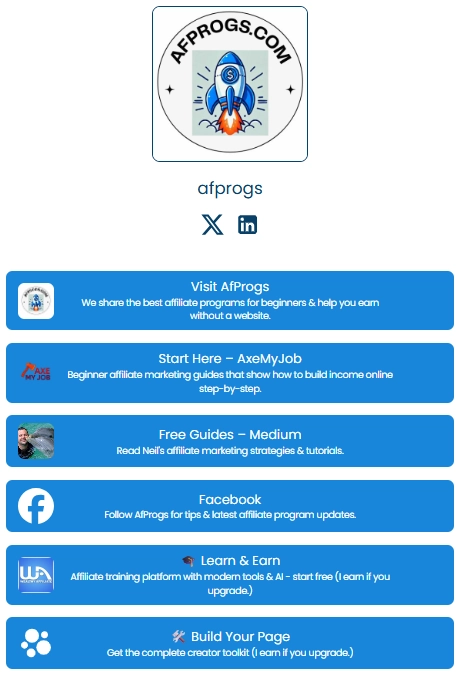
You can build it out later as you find more programs to promote.
Step 3: Create Content on One Platform
Your content brings the attention.
Pick one social platform and stick with it. That might be:
- TikTok for short clips
- Instagram for reels
- YouTube for longer videos
- Pinterest for visual posts
If you’re unsure how to approach these platforms, there are step-by-step lessons that break down how each one works.
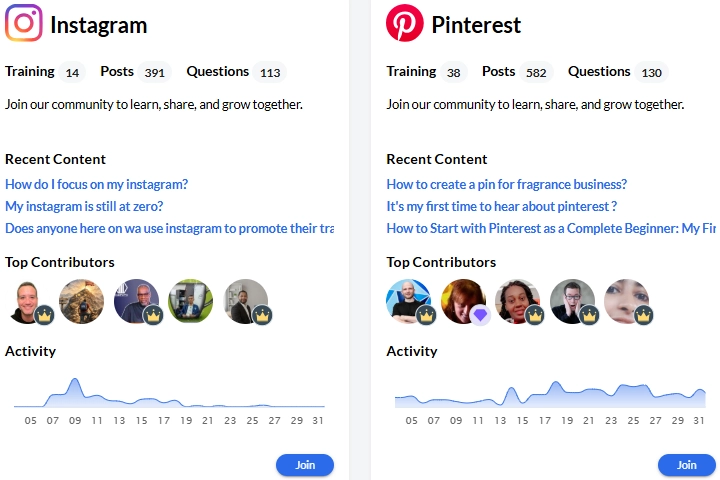
Make sure your bio includes your profile page link so there’s somewhere for people to go.
Focus on topics people already care about in your niche. With retro gaming, that could be rare finds, price checks, or showing off collections.
When something connects, people check your profile and follow your links.
That’s how traffic works without a website.
Step 4: Add Affiliate Programs to Your Profile
The money side of things starts here.
Before you can share any links, you’ll need to apply and get accepted into some affiliate programs that fit your niche.
Once approved, they give you a special tracking link for the products or services you want to promote.
Here’s an example of searching for programs related to the retro gaming niche:
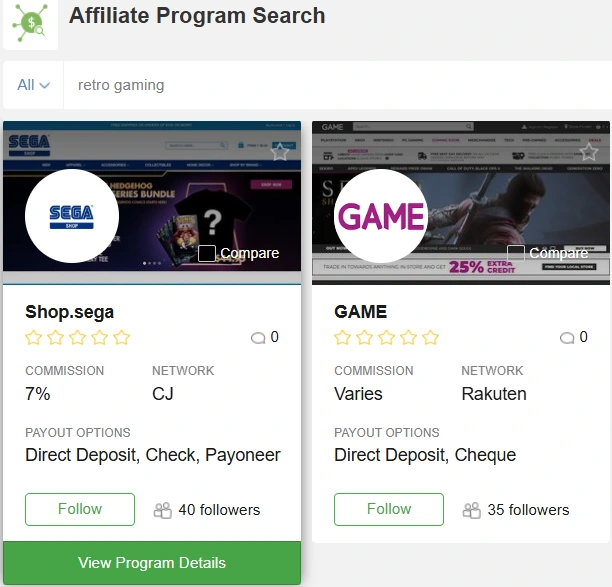
When someone sees your content, checks your profile, and uses one of those links to buy something or sign up, the program records the sale and pays you a commission.
Different programs pay various amounts, but the idea is simple.
You recommend things that fit your niche and earn when people act on those recommendations.
From there, it’s about creating content and linking the right offers.
👉 Start turning content into affiliate commissions
If you join through one of my links, I may receive a commission. It helps keep the site running and content free.
That’s the process. Pick the path that suits you and get started.
Neil